Emotional Wellness
Recognizing stress, emotions, triggers, and healthy coping strategies.
Institutional Preview · Correctional Wellness Program
Restorative Wellness Education for Women Impacted by Incarceration
Wellness Within gives women practical tools to understand stress, navigate difficult emotions, build self-awareness, strengthen resilience, and establish wellness practices they can continue beyond incarceration.
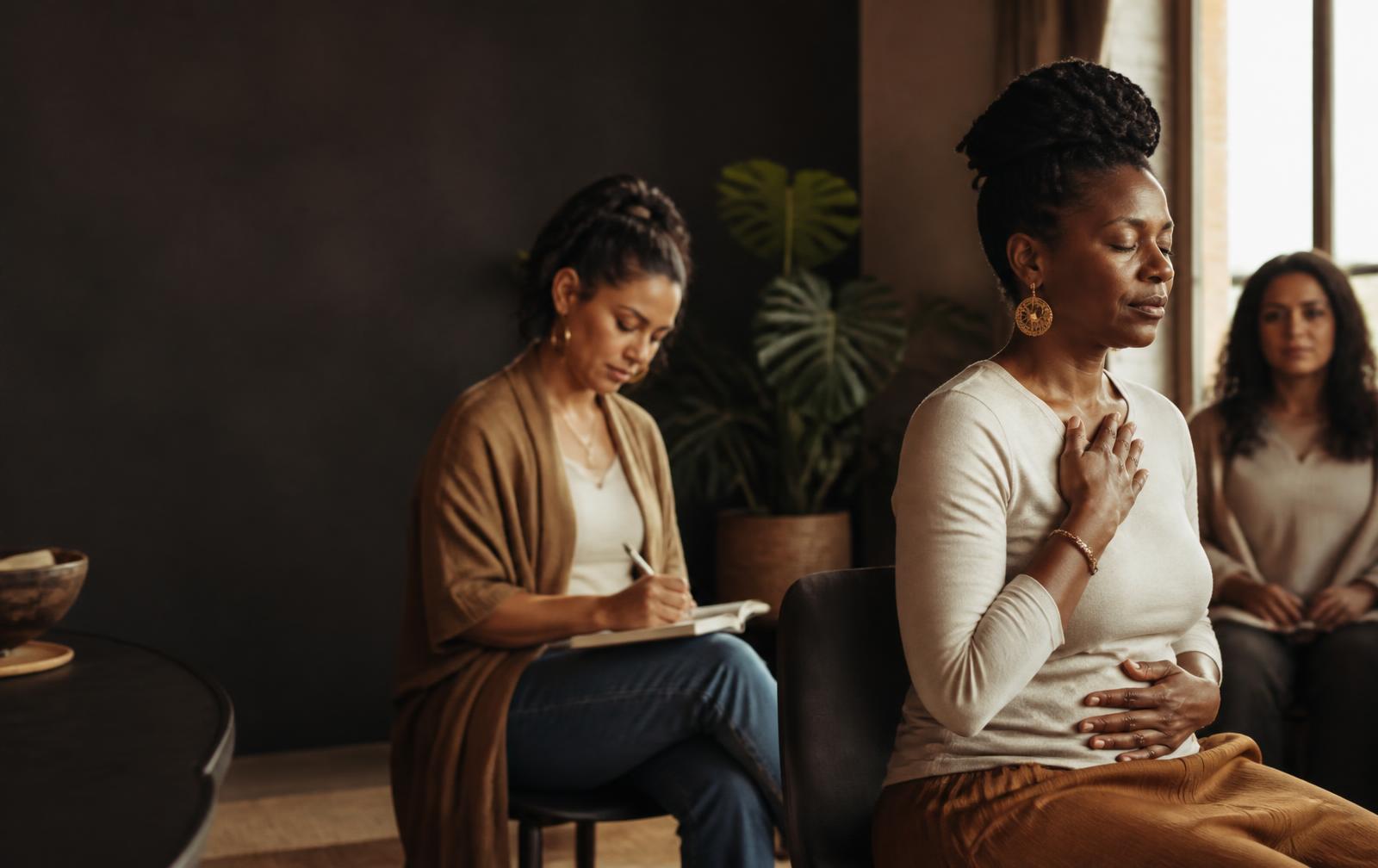
Structured learning meets sound, breathwork, grounding, mindfulness, reflection, and sensory wellness education.
Designed for women’s correctional facilities, county programs, reentry initiatives, and community-based justice organizations.
Why women’s wellness?
Women entering correctional settings may be navigating stress, grief, family separation, health concerns, disrupted relationships, past trauma, uncertainty about reentry, and major life transitions.
Wellness Within does not define women by those experiences. It provides practical tools that support awareness, choice, emotional resilience, personal growth, and preparation for what comes next.
Recognizing stress, emotions, triggers, and healthy coping strategies.
Practicing breathwork, grounding, mindful awareness, and sound-supported wellness exercises.
Exploring communication, family, motherhood, relationships, boundaries, and support systems.
Building wellness routines and practical tools that can continue after release.
Capable. Complex. Resilient. Learning. Growing. Preparing. Reconnecting. Building.
For correctional administrators
Short practices allow women to participate without previous meditation or wellness experience.
Designed for digital delivery, structured groups, facilitated workshops, or compatible correctional learning environments where permitted.
Facilities can begin with a focused program rather than implementing an entire curriculum at once.
Clear lesson structures and guided practices reduce the need for correctional staff to become wellness specialists.
Complementary wellness education that does not replace licensed medical, behavioral health, or mental health treatment.
Skills learned inside can form part of a continuing wellness routine after release.
Implementation can be adapted to facility policies, security requirements, population needs, available technology, and program schedules.
How Wellness Within works
Accessible education about stress, emotions, wellness, relationships, self-awareness, and reentry.
Sound, breathing, grounding, sensory awareness, and mindful practices bring concepts off the page.
Guided questions help women notice patterns, strengths, needs, and choices.
Short, repeatable exercises help turn knowledge into usable skills.
A personal Wellness Within Plan supports continued practice during incarceration and after release.
Start With One Powerful Program · Flagship Course
Emotional Wellness and Resilience for Women Impacted by Incarceration
A six-part active-learning experience helping women recognize stress, understand their responses, practice self-regulation, navigate difficult emotions, and develop a personal wellness plan.
EDUCATION + EXPERIENCE + REFLECTION + PRACTICE + APPLICATION
A signature difference
Women in correctional environments already encounter substantial information, forms, instruction, and reading. Wellness Within introduces another way to engage.
Optional sound can accompany learning, breathing, grounding, journaling, reflection, and quiet moments.
YOU DON’T JUST READ WELLNESS WITHIN.
YOU EXPERIENCE IT.
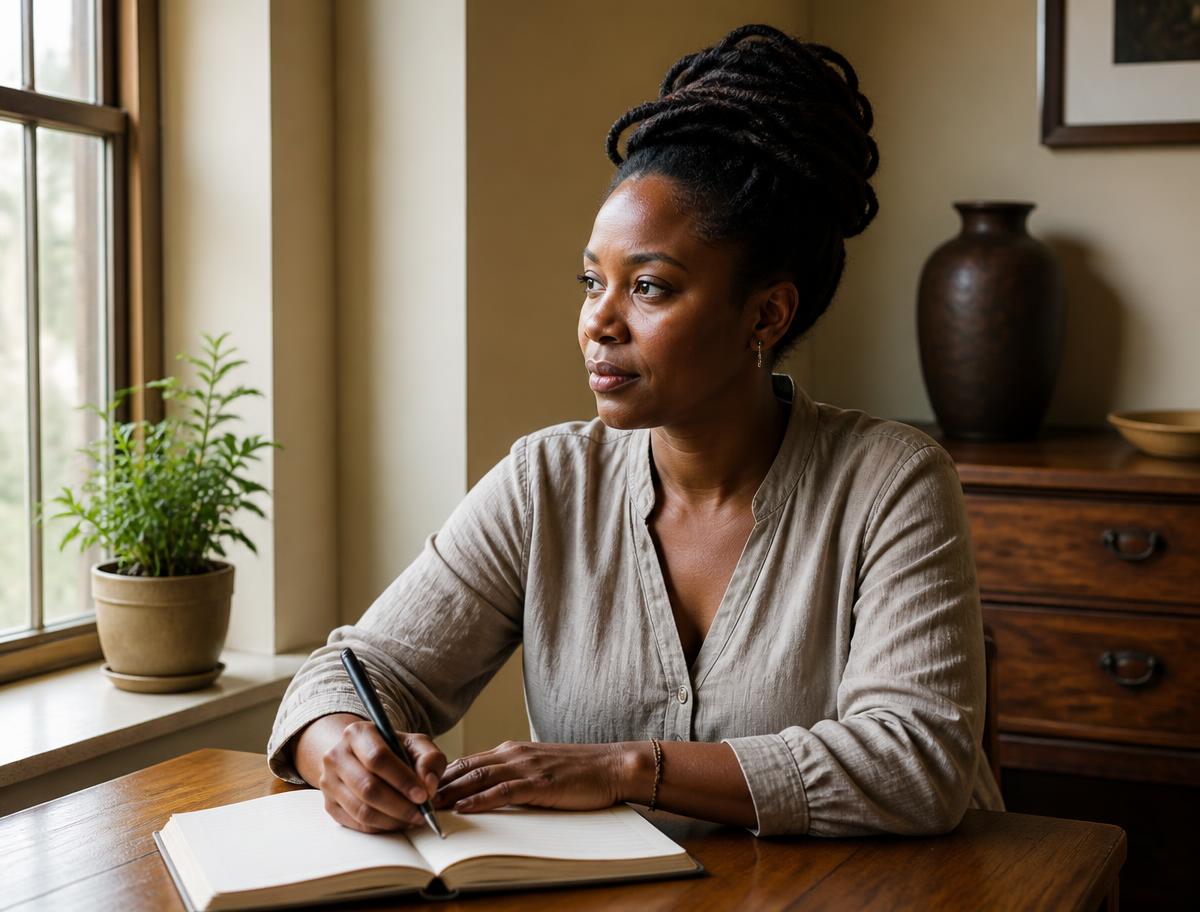
The most important part of this preview
Before reading another program description, experience what a participant might encounter.
Correctional wellness program
Designed around the experiences and strengths of incarcerated women.
Education, practice, reflection, assessment, and application.
Sound and guided practices turn learning into an experience.
Choice-centered design protects dignity and learner autonomy.
Wellness education can continue after release.
A framework that can expand across facilities, populations, and topics.
Delivery can include compatible correctional technology platforms, facility learning environments, secure tablets, instructor-led workshops, or hybrid programming where permitted.
Facility implementation
Wellness Within can begin small.
A defined group completes selected lessons and practices through an approved digital learning environment.
Structured group sessions combine education, guided practices, reflection, and discussion.
Digital curriculum is paired with approved instructor-led wellness workshops where facility policies permit.
Each facility determines the appropriate population, duration, delivery method, and measures.
What we can measure
Evaluation measures can be tailored with facility partners based on program goals and available data. No claims are made about reduced recidivism, violence, diagnoses, anxiety, or clinical treatment outcomes.
Designed with responsibility
Choice-centered language and practices designed to reduce unnecessary triggering.
Wellness education distinguishes research-supported practices from traditional or complementary approaches.
Mental and behavioral health educational material can undergo appropriate professional review before institutional deployment.
Content can be adapted to correctional security policies and approved delivery environments.
Short text, clear instructions, visual support, audio options, and straightforward navigation.
No retail solicitation or ecommerce within the correctional learner experience.
Sound, breathwork, mindfulness, sensory practices, and aromatic plant education are complementary wellness approaches. They do not diagnose, treat, or cure mental-health conditions and do not replace medication or behavioral health care.
Built from real-world practice
Wellness Within is informed by Reaching Beyond Bars’ work with justice-impacted individuals and returning citizens since 2013, Debbie Pullens’ correctional and reentry wellness programming, and her family’s direct experience with incarceration.
Debbie Pullens has contractual agreements to provide aromatherapy and sound wellness workshops serving women participating in the POWR program through the Los Angeles County Justice, Care and Opportunities Department.
Debbie is working with Homeboy Industries to introduce aromatherapy-based wellness workshops for youth.
Debbie created ProperPairings.app, a digital wellness platform exploring intentional combinations of sound, scent, and everyday wellness practices.
Founded by Debbie in 2013, Reaching Beyond Bars supports individuals and families impacted by incarceration and reentry.
Proper Xchange develops evidence-informed holistic wellness experiences integrating aromatherapy, sound, education, sensory wellness, and intentional daily practices.
Wellness Within did not begin as a theoretical correctional product. It grew from wellness practice, justice-impact work, community engagement, and a belief that access to emotional wellness should not disappear because someone is incarcerated.
Wellness Within
Explore a low-barrier pilot shaped around your facility, population, schedule, and approved delivery environment.
Learn inside.
Practice inside.
Carry the tools home.
The final institutional curriculum will be reviewed by a qualified licensed health or mental-health professional for clinical accuracy before release. This preview has not yet completed that review.